Transcribana
Transcribe Video to Text
Transcribe a video soundtrack to text locally. Review the result and export TXT, SRT, VTT or JSON without uploading the video.
Start transcribingStart transcribing
Best supported on current desktop Chrome. Codec support, speed and memory vary by browser and device. Mobile transcription is not guaranteed.
Drop an audio or video file here
Interviews, meetings, lectures, and everything worth keeping.
Audio and video files are processed locally in your browser.
Supported file formats
MP3, WAV, M4A, AAC, FLAC, OGG, OPUS, MP4, MOV, WebM, MKV, M4V and 3GP with supported audio codecs. Files are checked locally. AVI, WMA and MPEG/MPG program streams are not supported. Codec support varies by browser.
Transcription runs locally in your browser. Your audio and video are not uploaded to our servers.
Auto Detect uses the opening audio to choose one spoken language. Accuracy varies by language and recording. Amharic transcription is currently unavailable because it can produce incorrect text. Review every transcript against the recording.
Advanced settings
Models download on first use. A loaded model is reused; change model or processing mode to release it.
Choose a recording to get started.
Progress will appear here.Your words, ready to use.
Document edits apply to copied text and TXT. Subtitles and JSON preserve the original timed transcription.
Processing details
Timestamps are model estimates. Total RAM and GPU memory are not available to this page; use your browser’s task manager.
Arabic uses a dedicated model with about 1.33 GB of weights and CPU/WASM processing. The first run may take several minutes. General model and GPU choices do not change the Arabic model.
Video transcription: keep the text and timed subtitles distinct
Video to text extracts spoken words from the audio track; it does not read text from frames. Start with the final video edit so your subtitle times refer to the version you will publish. After review, download or share the edited transcript as TXT. Original SRT and VTT exports retain the canonical words and timing. To translate those subtitles, select Original timed segments in the translation workspace; you do not need to export and re-upload the SRT. Check the translated text against the original before using it.
Before you start
Choose a video with a supported audio track. The browser reads the audio without uploading the video or rendering every video frame. This is speech transcription, not recognition of text displayed on screen.
A workflow that fits your file
Interviews, recorded talks and lesson videos are good starting points. MP4/AAC, MOV/AAC, MKV/AAC and WebM/Opus were tested in Chrome. A silent video or an unsupported codec cannot produce a transcript.
Review and use the result
Download TXT for reading or SRT/VTT for a caption track. This tool does not burn captions into the picture. Import the subtitle file into your video editor or publishing platform and review synchronization.
MP4, MOV and WebM: the audio track matters
Transcription extracts speech from a supported audio track, not text displayed in the picture. MP4 or MOV with AAC and WebM with Opus are common combinations; container support does not guarantee every codec or track layout will decode. Silent footage has no speech to transcribe. A lecture slide or burned-in caption is not read as text.
Select a local video, choose its spoken language and review the transcript. For timed words beside the picture, use subtitle exports. If the video will be edited, transcribe the final cut: deleting an introduction later shifts all following cue times.
How it works
Upload
Choose an audio or video recording from your device.
Transcribe
Select the spoken language and let the required model load.
Edit
Review the words against your recording and edit the readable text.
Export
Copy text or download TXT. SRT, VTT and JSON preserve the original timed result.
Your recording never needs to leave your device.
Speech recognition and text checking run locally. The website and model files still need network access. Hosting and model providers can receive ordinary connection information; they do not receive your recording through this tool.
Understand local processingQuestions, answered
Does my recording get uploaded?
No. The browser reads and transcribes it locally. Website assets and model downloads use the network separately.
Can I use it offline?
A model already loaded in an open page can be reused offline. Reloading, switching models or clearing storage may require network access.
Will text corrections change my subtitles?
No. Copy Text and TXT use the selected document version. SRT, VTT and JSON keep the original timed transcription.
Related tools
Useful guides
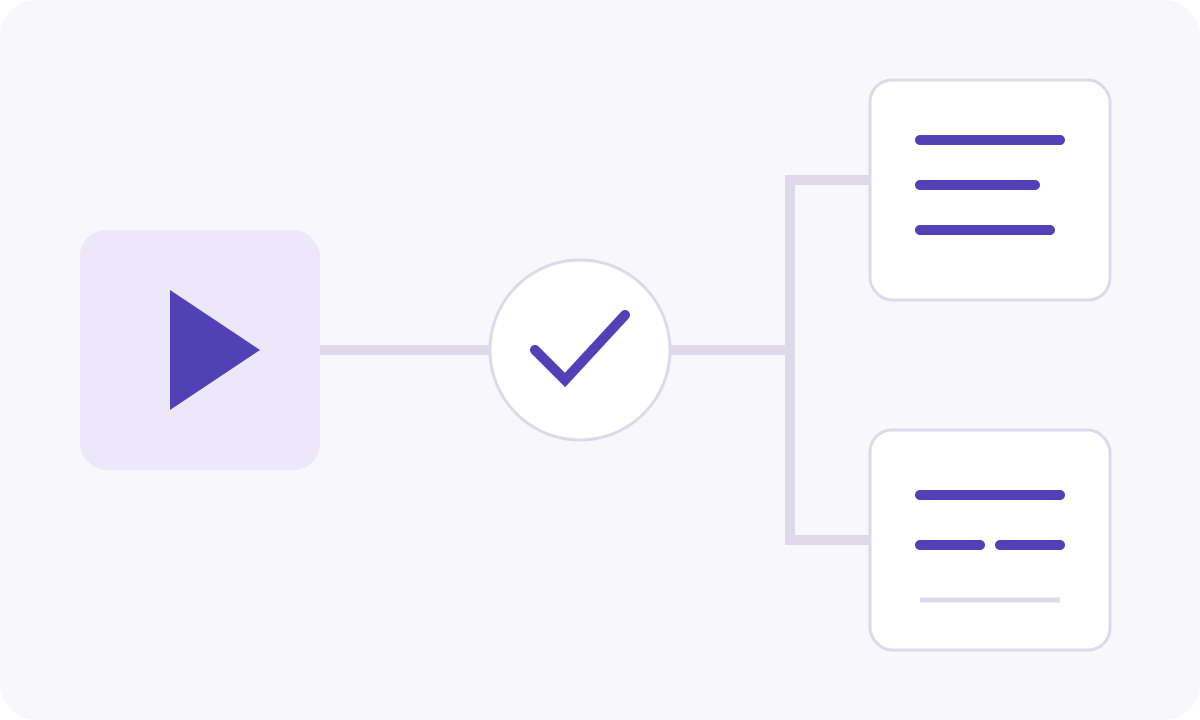
Audio and Video to Text: A Complete First-Recording Workflow
Take a local recording from file selection to a checked transcript. Choose the language, review important words and save the right text or subtitle export.
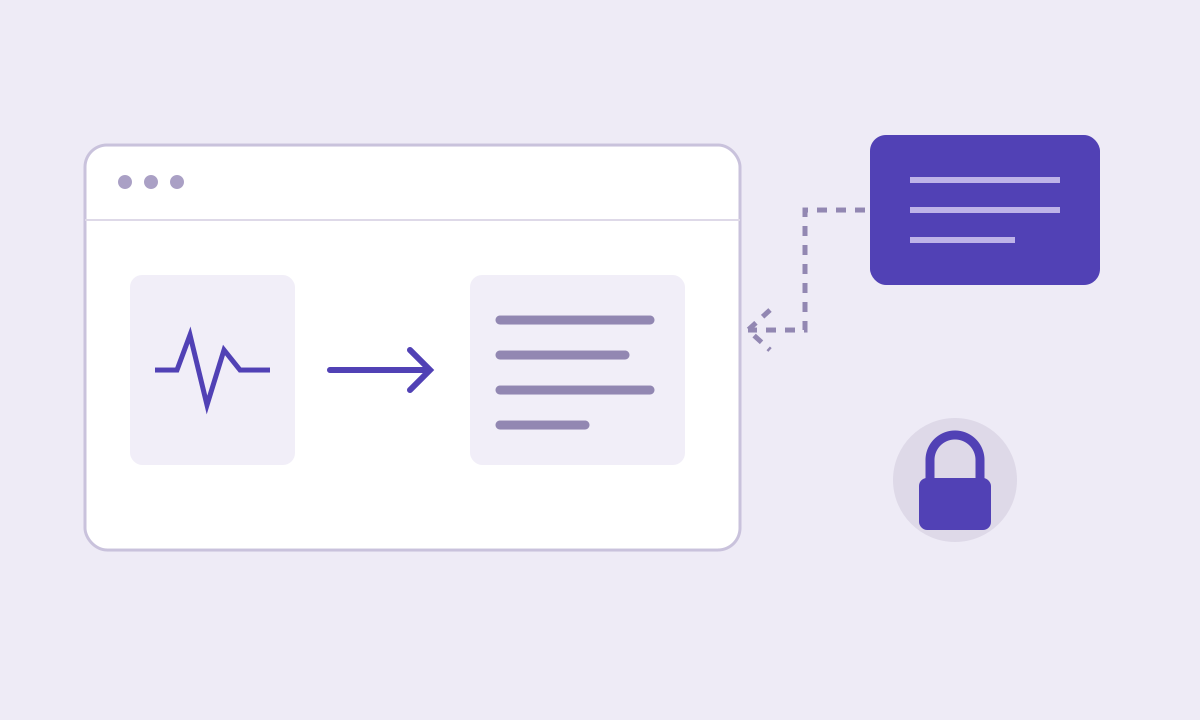
Browser Transcription Privacy: What Leaves Your Device?
Separate local media processing from model downloads, optional analytics and browser storage. Understand what Transcribana keeps local and what still uses the network.
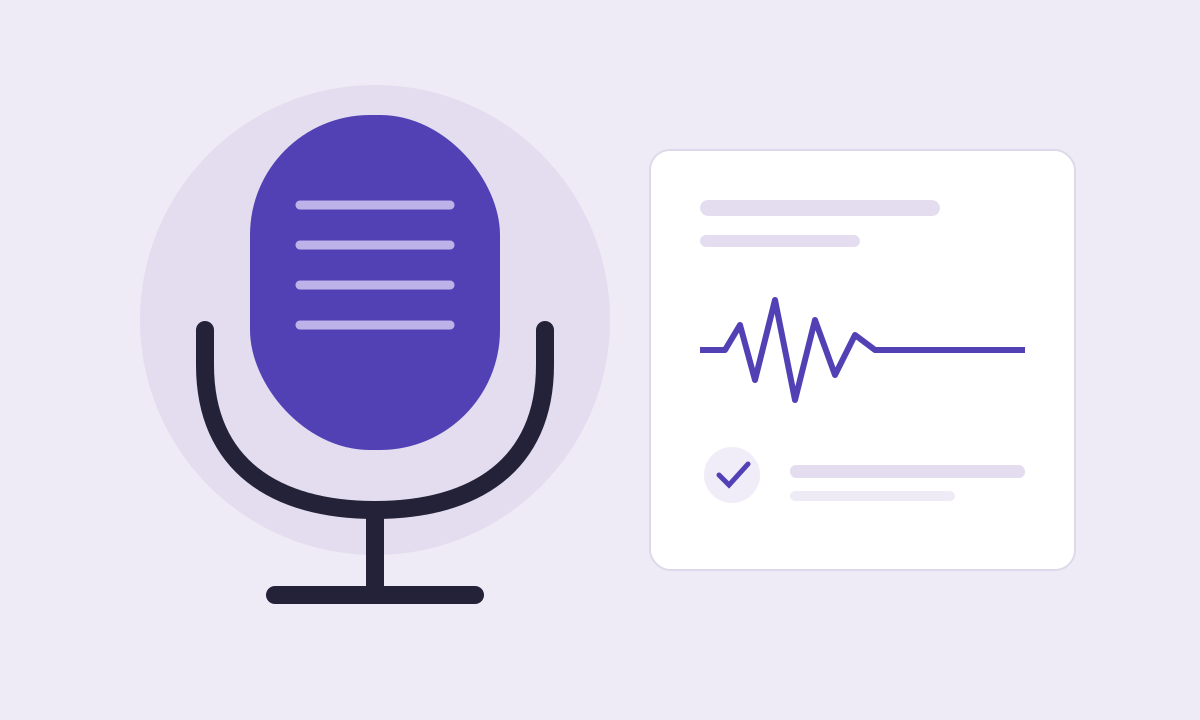
Record Clearer Audio for Transcription
Prepare an interview or lecture recording with a listening test, a practical preflight checklist and a plan for checking uncertain words.
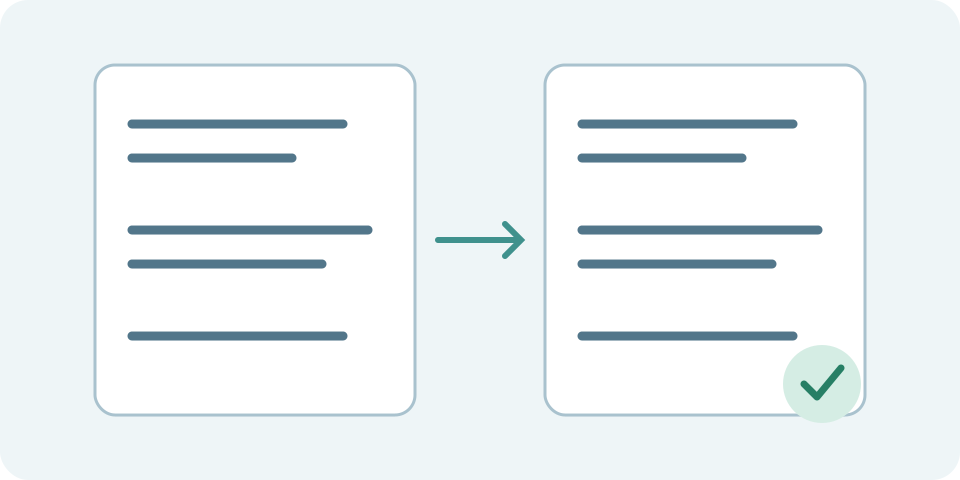
Transcription vs Translation: What’s the Difference?
Understand when to transcribe speech, when to translate text or subtitles, and how each workflow handles language, timing, editing and review.
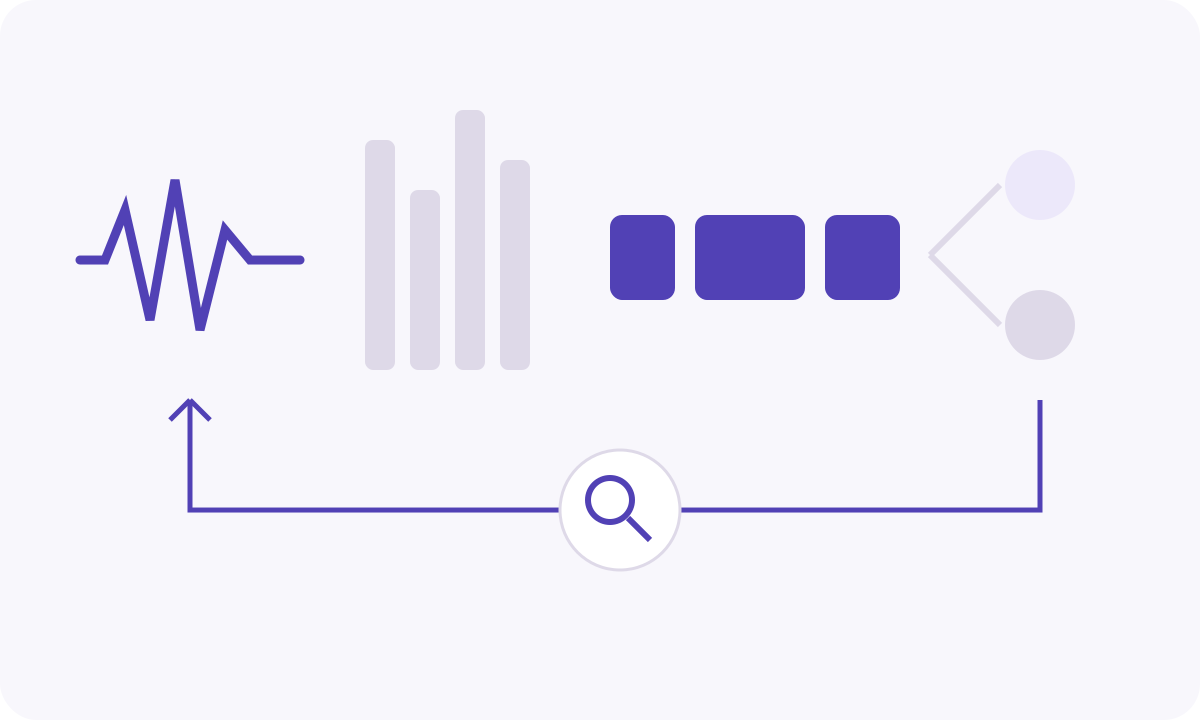
Common Transcription Errors and How to Correct Them
Recognise the predictable mistakes in automatic transcripts — names, numbers, negation, homophones and invented text — and correct them without changing meaning.